

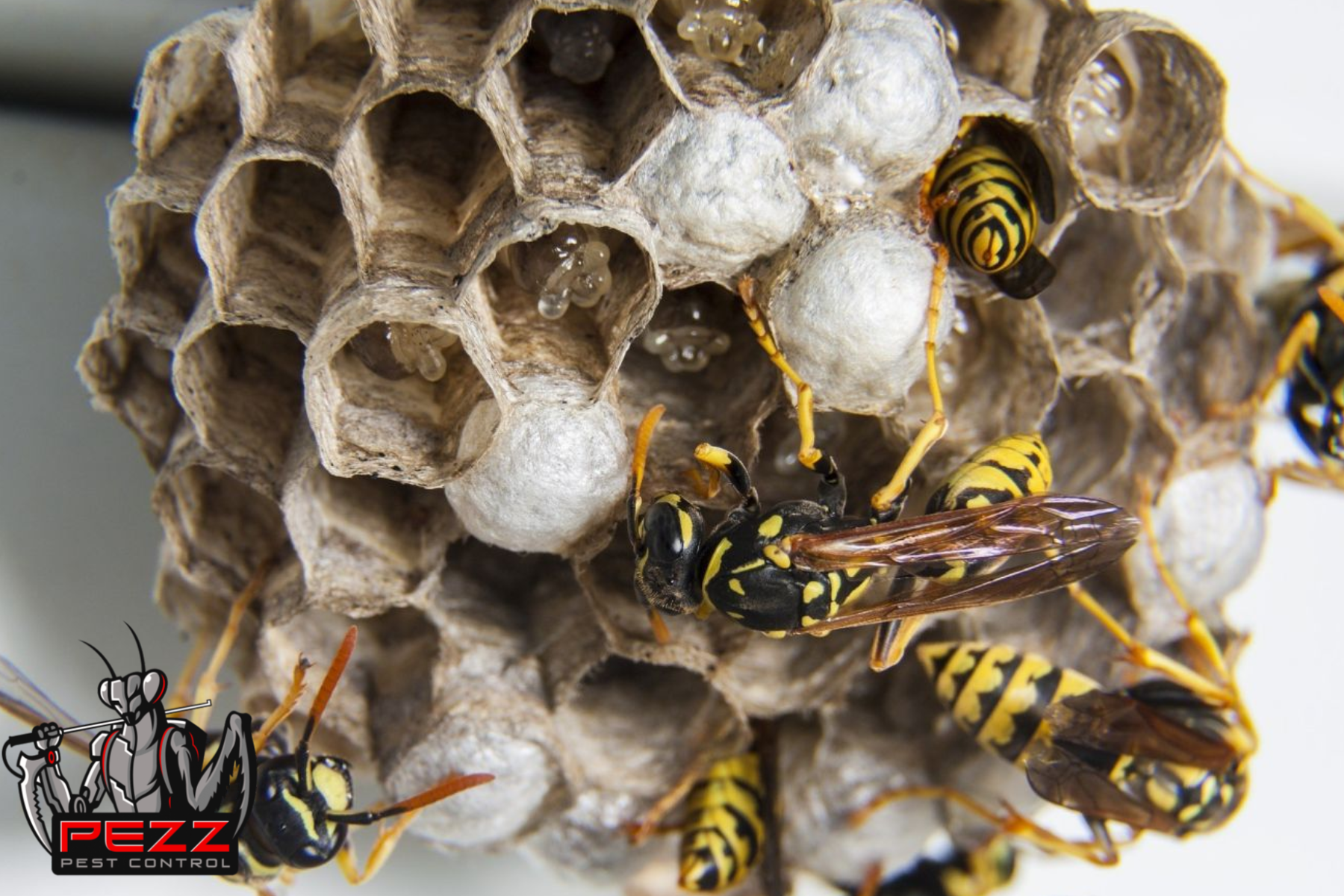
When people think about wasps, their minds often jump straight to stings and swarming nests. But one overlooked aspect of these buzzing insects is their surprisingly diverse diet. So, what do wasps eat, and how does their feeding behavior impact your backyard or property? Whether you’re fascinated by nature or trying to keep stinging pests at bay, understanding the wasp diet can help you protect your outdoor spaces.
The Basics: What Do Wasps Eat?
The answer depends on the type of wasp and its stage of life. Wasps are divided into two major categories: social and solitary. Social wasps, such as yellowjackets and paper wasps, live in colonies, while solitary wasps, like mud daubers and the blue wasp, live alone.
Adult wasps are typically omnivores and are known to consume a mix of protein-rich foods and sugary substances. Their diet includes:
- Nectar from flowers (a natural source of sugar)
- Fruit juices (especially from overripe or fallen fruit)
- Honeydew, a sugary liquid secreted by aphids
- Other insects, such as caterpillars, flies, and even spiders
- Carrion or scraps, including meats and sugary drinks from trash cans or outdoor gatherings
This dual appetite helps control pest populations while also making wasps pollinators, though not as effective as bees.
What Do Baby Wasps Eat?
Unlike adults, baby wasps (larvae) require a high-protein diet. Adult wasps hunt for insects or meat and chew them into a pulp to feed their developing young. This is one reason you’ll often see wasps buzzing around grills, trash bins, or pet food. Any source of protein is a potential meal for their young.
Social wasps, in particular, are constantly on the move collecting prey to bring back to their colonies. In return, larvae produce a sugary secretion, which adult wasps consume. This mutual feeding system benefits both stages of their lifecycle.
The Role of Wasps in Ecosystems
Wasps play a vital role in natural pest control. By preying on harmful garden insects, they help maintain ecological balance. Farmers and gardeners often appreciate the presence of solitary wasps, as they naturally reduce crop pests without the need for treatment.
At the same time, social wasps can become aggressive, especially late in the summer when their food sources dwindle. That’s when they start scavenging for sweets at outdoor events or patios. This shift in behavior often prompts homeowners to search for wasp control near me to avoid potential stings and infestations.
Unusual Foods and Scavenging Habits
Wasps are opportunistic feeders. Beyond fruits and insects, they’ve been observed consuming dead animals, garbage, and even sugary drinks left behind by humans. This behavior explains why they’re frequently found in urban and suburban areas. Their ability to adapt and exploit various food sources contributes to their survival and makes them a challenge to manage.
The Fascinating Blue Wasp
The blue wasp known for its striking metallic sheen is often a solitary predator. Unlike social wasps, blue wasps don’t rely on colonies. Instead, they hunt insects such as grasshoppers or beetles, paralyze them, and use them as live food for their larvae. These wasps are usually less aggressive toward humans and prefer natural environments over human-inhabited areas.
How to Minimize Food Sources for Wasps
If you want to reduce wasp activity around your home, here are a few tips:
- Keep garbage bins sealed tightly
- Avoid leaving sugary drinks or food outdoors
- Clean up fallen fruit from trees promptly
- Seal pet food containers
- Rinse out recyclables before placing them in bins
Eliminating access to food is a key step in deterring wasps. But if you’re dealing with an active nest or recurring visits, professional help may be necessary.
When to Call the Experts
Spotting a few wasps in your garden isn’t always cause for alarm. However, if you’re seeing increased activity, discovering nests, or experiencing aggressive behavior from wasps, it’s time to seek pest control St Peters MO professionals.
A trained technician can assess the severity of the infestation, locate hidden nests, and apply a safe and effective treatment. Whether it’s a small solitary wasp issue or a large colony near your home, choosing the right solution keeps your family and pets safe.
Homeowners in search of reliable pest control St Peters or surrounding areas can benefit from customized plans that target nests, remove attractants, and apply preventative barriers around structures.
Conclusion: Wasps Are More Than Just a Nuisance
So, what do wasps eat? Quite a bit more than you may expect. From pollinating flowers and hunting garden pests to scavenging your leftovers, wasps are highly adaptable and surprisingly beneficial in the right context. However, their presence around homes and outdoor spaces can quickly turn problematic.
Understanding their diet is the first step to managing them safely and effectively. By removing food sources and staying informed, you can help deter wasps naturally. When prevention isn’t enough, calling a local expert in pest control Wentzville ensures your property stays safe and sting-free.
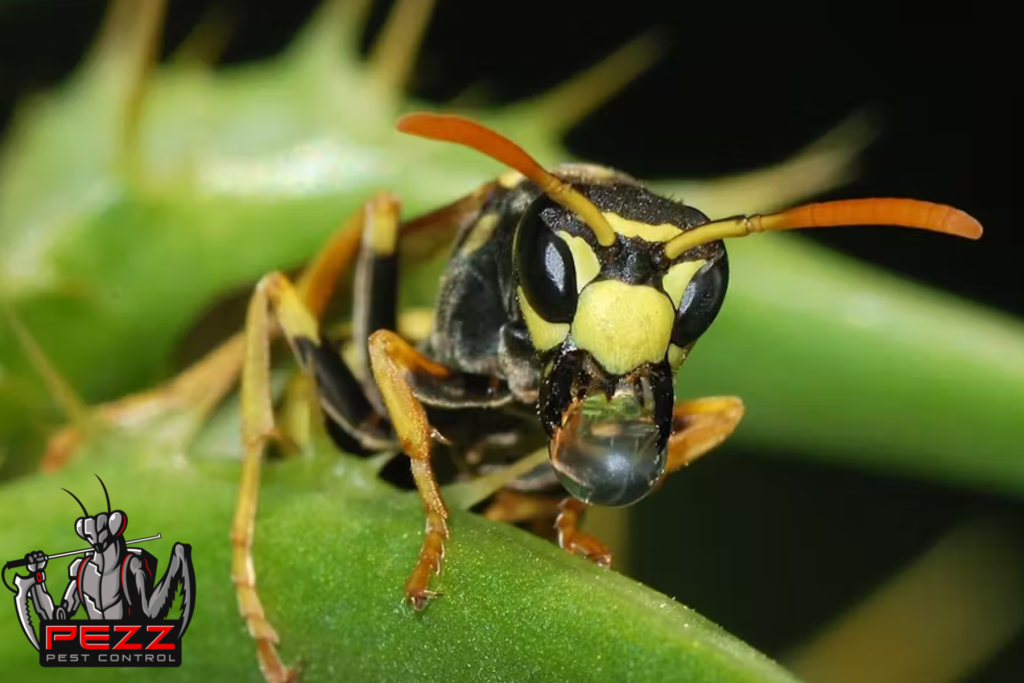
About Pezz Pest Control
Pezz Pest Control is your trusted provider for expert pest management in St. Charles, MO, Wentzville, and surrounding areas. Our team of highly trained professionals delivers tailored solutions for a wide range of pests, including stinging insects like wasps. Whether you’re looking for dependable pest control in St. Charles or need pest control Wentzville MO residents can count on, we prioritize your safety with environmentally conscious treatments and a strong commitment to customer satisfaction.