

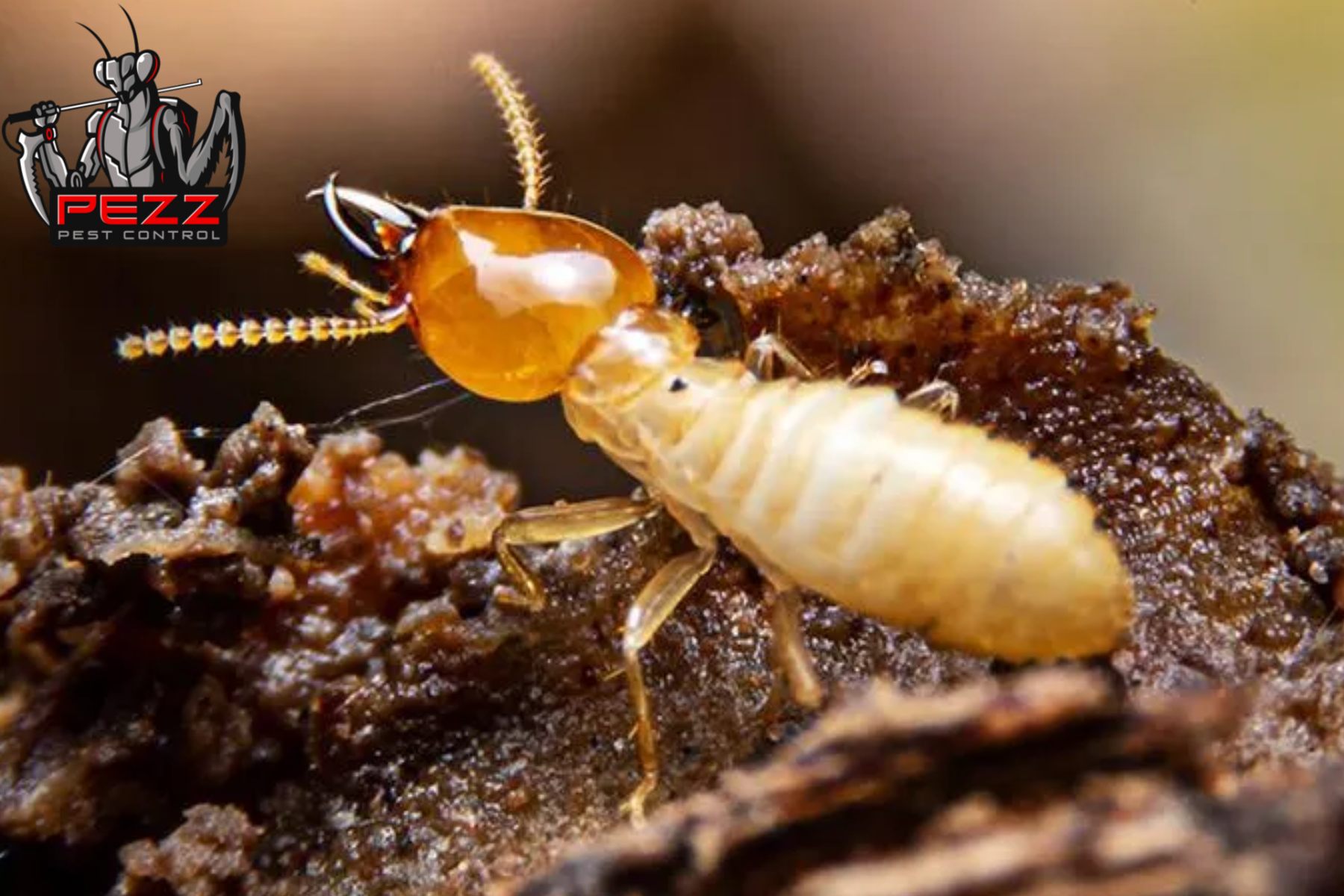
Termites are often regarded as one of the most destructive pests for property owners. Though they are typically out of sight, the threat they pose is significant. However, there is an aspect of termite infestations that is often overlooked: termite swarms. While most people are aware that termites can damage the structure of their homes, many are unaware of the hidden dangers that these swarming insects can present. Do they bite? If they do, what should you do?
In this article, we will explore the dangers of termite swarms, answer the common question, “Do termites bite?”, and discuss how to handle a swarm situation effectively. Understanding these factors can help homeowners respond quickly and prevent further damage to their property.
What Are Termite Swarms?
A termite swarm occurs when a mature termite colony produces winged reproductive termites, known as alates, that leave the nest to start new colonies. These swarms typically happen in the spring, when conditions are warm and humid, but they can occur at other times depending on the species and environmental factors.
Swarms are often triggered by environmental factors such as temperature, humidity, or changes in seasons. During a swarm, thousands of termites may take flight, heading toward a new location in search of a suitable spot to establish a new colony.
While termite swarms are alarming to witness, they are often the first visible sign of a termite infestation. However, it’s important to note that the swarmers themselves do not cause damage. The real danger lies in the workers, who continue to feed on the wooden structures in your home.
Do Termites Bite?
It’s a common question homeowners ask when they see a swarm of termites in or around their home: Do termites bite?
The short answer is yes, but not in the way most people might expect. Termite swarming insects, specifically the winged reproductive termites, do not bite humans or animals. Their main purpose during a swarm is to find a mate and establish a new colony. They do not have the physical ability to bite or sting in the same way other insects, like ants or bees, do.
However, the worker termites, which are the ones that feed on wood, do possess biting mouthparts. They use these mouthparts to break down cellulose in wood. Although they typically do not bite humans, it is still important to consider the long-term damage they can do to your property.
Can Termites Bite Humans?
While termites can bite, they are not typically aggressive toward humans. Their bites are not venomous, and they generally do not bite unless they feel threatened. The biting action is mainly used for feeding on wood and not for defense. So while they can technically bite, it is not something that should be a primary concern for people who encounter a swarm.
That being said, termite swarms are more of a nuisance than a health hazard. Swarming termites are not harmful to humans, but they can signal a severe problem if they are in large numbers. If you experience termite bites, it may be due to an overwhelming infestation, which can lead to significant structural damage.
How to Handle a Termite Swarm
If you find yourself dealing with a termite swarm in your home or yard, it’s important to remain calm and take the right steps to address the situation. Here’s what you should do:
1. Do Not Panic
Termite swarms can be frightening, but it’s important to remember that swarming termites are typically not a threat to human health. They do not bite unless provoked, and their main objective is to reproduce and establish new colonies. Once the swarm ends, they usually die or disperse.
2. Examine the Source of the Swarm
If you spot a termite swarm indoors, it’s essential to determine where the swarm is originating from. Termite swarms usually start inside the walls of a building, near infested wood. Look for signs of mud tubes, frass (termite droppings), or wood damage that might indicate an active colony. Check areas like the attic, basement, or crawlspaces.
3. Contain the Situation
While the swarm may eventually die down on its own, the underlying infestation in your home needs immediate attention. Sealing windows and doors and using a vacuum to remove the flying termites can help reduce the number of insects inside your home.
However, these methods will not address the root cause of the problem. You need professional help to inspect and treat the infestation effectively.
4. Call a Professional Pest Control Service
Once the swarm is under control, contact a pest control Chesterfield expert to schedule a full inspection of your property. A professional pest control service can assess the extent of the infestation and provide the appropriate treatment plan. This might include applying a targeted treatment around your home’s foundation, using termite bait stations, or applying green and safe pesticides to eliminate the colony.
How to Prevent Termite Swarms
The best way to avoid termite swarms is to take preventive measures that will keep termites from infesting your home in the first place. Here are some effective strategies to prevent a termite infestation:
1. Regular Termite Inspections
Having regular termite inspections is one of the best ways to stay ahead of a potential infestation. Trained professionals can identify early signs of termite activity, such as mud tubes and damaged wood, before the infestation becomes a full-blown problem. Professional termite control near me services ensure that your property is safe from termites and other pests.
2. Maintain a Dry Environment
Termites thrive in moist conditions. By keeping the foundation of your home dry, you can make it less appealing to these pests. Ensure that gutters are cleaned regularly, and any leaks are repaired quickly. Additionally, proper drainage around your home’s foundation can reduce the risk of attracting termites.
3. Eliminate Wood-to-Ground Contact
Termites need wood to feed on, and they can access your home’s wooden structure through direct contact with the ground. Ensure that there’s no wood, including firewood, mulch, or wooden debris, in contact with your home’s foundation. By eliminating potential food sources, you make your home less inviting to termites.
4. Apply Preventive Treatments
Consider applying preventive termite treatments, especially if you live in an area where termites are common. These treatments can be applied around your home’s exterior and foundation to create a protective barrier against termites.

What to Do If You Experience Termite Bites
If you experience any discomfort or irritation due to termite bites, the first step is to clean the area with soap and water. Apply an antiseptic ointment to prevent infection, and use ice to reduce swelling if necessary. If you notice signs of a severe allergic reaction, such as difficulty breathing or swelling, seek medical attention immediately. However, bites from termites are rare and not usually a cause for concern.
Why Choose Pezz Pest Control?
If you’re dealing with a termite swarm or suspect an infestation, it’s important to act quickly to prevent damage. At Pezz Pest Control, we provide expert pest control Chesterfield MO services that address termite problems at the root. Our team specializes in thorough termite inspections, effective treatments, and eco-friendly solutions that ensure your property stays safe and protected.
