

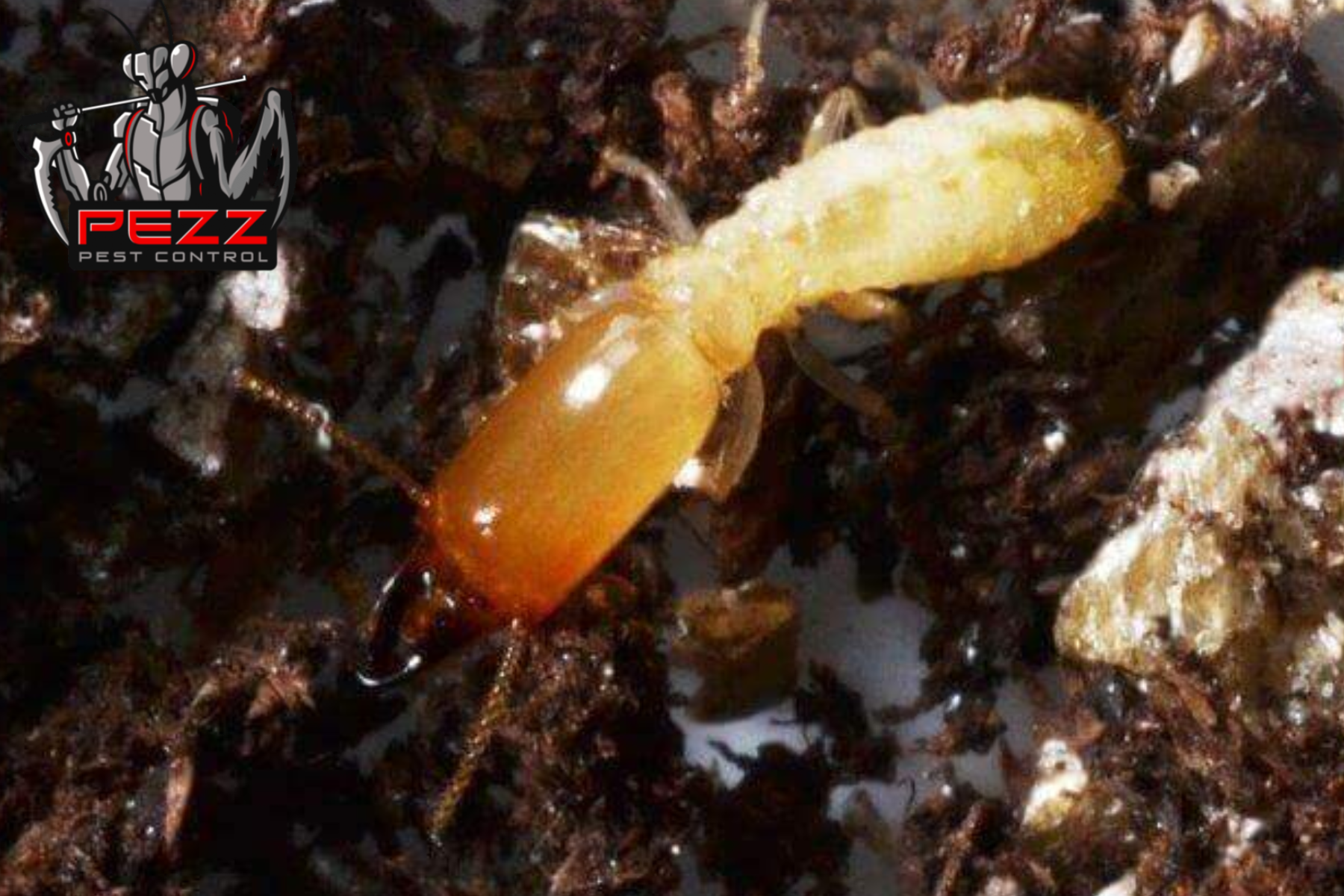
Finding baby termites in or around your home may seem like a minor issue at first glance. They’re tiny, almost invisible to the naked eye, and don’t look as intimidating as their adult counterparts. But make no mistake these small insects could be signaling a much larger, more serious infestation. Understanding what baby termites are, how they develop, and what their presence means is critical to protecting your home and property.
What Are Baby Termites?
Baby termites also known as termite larvae are the immature forms of termites that hatch from eggs laid by the queen. These larvae are pale, soft-bodied, and difficult to distinguish from adult worker termites unless closely examined. At this early stage, the larvae depend entirely on adult workers for food and grooming. Over time, they mature into one of several castes: workers, soldiers, or reproductive termites.
Because termite colonies operate in a structured caste system, every baby termite has the potential to grow into a critical member of the colony. The more larvae present, the faster the colony can expand making early detection crucial.
Are Baby Termites a Sign of a Larger Infestation?
Yes, baby termites are almost always a sign of an existing or growing infestation. Termite colonies are hidden and well-organized, often expanding for months or even years before being detected. If larvae are visible, it means:
- A mature queen is actively laying eggs.
- The colony is established enough to support and raise young termites.
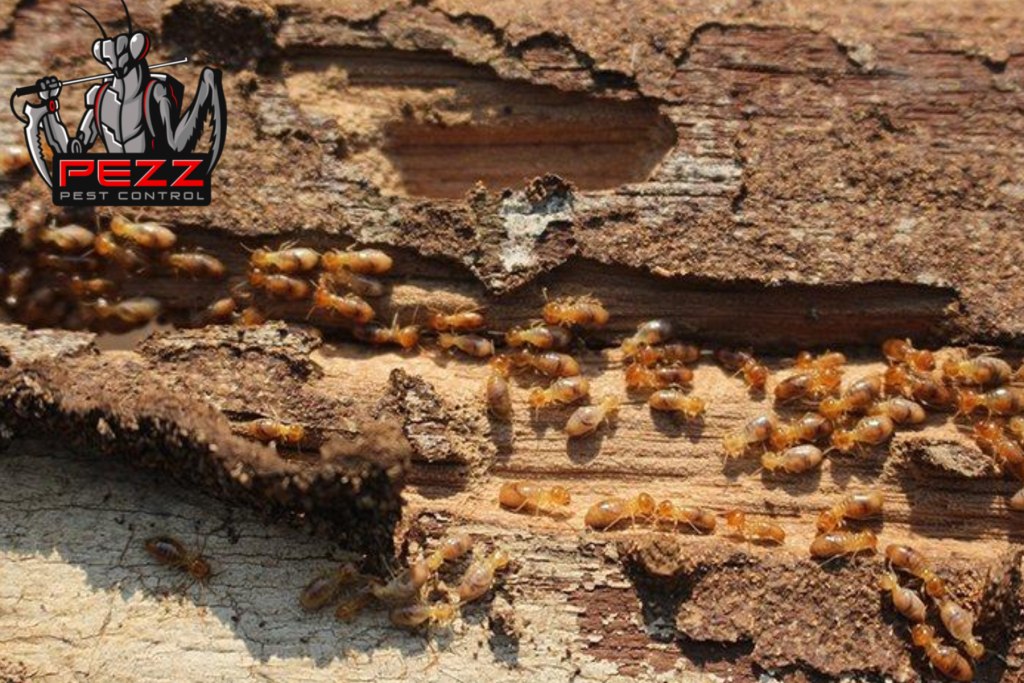
- There are likely hundreds, if not thousands, of other termites in the structure.
Spotting termite larvae is a warning sign that the colony has already taken hold in or near your home.
Where Are You Likely to See Baby Termites?
Most homeowners won’t see baby termites crawling out in the open. They usually reside deep within the colony inside walls, under floors, or within moist wooden structures. However, during renovations, plumbing leaks, or structural inspections, disturbed areas may reveal these larvae.
They may also appear near mud tubes, wood damage, or in areas with high humidity and wood-to-soil contact, such as basements, crawl spaces, or even wooden furniture.
How Fast Do Baby Termites Grow?
The lifecycle of a termite from egg to adult depends on several factors, including temperature, humidity, food availability, and colony size. Under ideal conditions, termite larvae can develop into workers or soldiers in a few weeks.
The rapid growth cycle of baby termites supports colony expansion. As they mature, they take on roles that allow the infestation to spread throughout your home more efficiently causing structural damage along the way.
How Do Baby Termites Damage Your Home?
Though baby termites themselves don’t eat large quantities of wood, they represent the next generation of wood-damaging pests. The more larvae there are, the greater the colony’s potential to cause structural damage. Adult worker termites consume cellulose from wood, paper, and other plant-based materials, hollowing out support beams, flooring, and insulation over time.
Even worse, termite damage often goes unnoticed until it’s severe leading to expensive repairs and safety risks. So if baby termites are visible, it means the workers responsible for damage are likely already active.
Signs That a Termite Infestation May Be Growing
In addition to spotting baby termites, there are other red flags that may suggest a growing infestation:
- Mud tubes along walls or foundations
- Hollow-sounding wood or bubbling paint
- Discarded wings from swarming termites
- Frass (termite droppings) that look like tiny wood-colored pellets
- Sagging floors or doors that stick
- Visible termite larvae in moist or wooden areas
If you’re noticing any of these signs, it’s critical to act fast and search for termite control near me to prevent further damage.
Why DIY Solutions Are Not Enough
Many people try to address termite infestations using DIY methods or store-bought bait traps. While these options may offer short-term relief, they often fail to reach the core of the colony, especially the queen and larvae.
Since termite larvae and queens are well-hidden within walls or underground, effective treatment must target the entire colony. Professional termite control experts use specialized tools and techniques to locate and treat infestations from the source, ensuring long-term protection.
Long-Term Solutions for Termite Infestations
When dealing with an infestation, the best course of action is to work with a professional pest management company that offers comprehensive termite treatment solutions. These may include:
- Termite bait stations: Designed to attract termites and deliver slow-acting agents that are carried back to the colony.
- Liquid barriers: Effective perimeter applications that stop termites before they enter your home.
- In-depth inspections: Identifying current infestations and vulnerabilities in your property.
- Ongoing monitoring: Ensuring the colony is fully eliminated and doesn’t return.
At the first sign of baby termites, consult with local experts in pest control St Charles for a customized treatment plan.
How to Prevent Future Termite Infestations
Prevention is key when it comes to termites. Here are a few homeowner tips to reduce the risk:
- Eliminate wood-to-soil contact around your home.
- Fix leaky pipes, gutters, and drainage systems to reduce moisture.
- Store firewood away from your home.
- Seal foundation cracks and wood gaps.
- Schedule annual termite inspections.
Routine inspections and preventative treatments are especially important in areas prone to termite activity. Don’t wait for signs like termite larvae to appear and be proactive.
About Pezz Pest Control
Pezz Pest Control is your trusted local expert for pest control St Charles MO. We specialize in eco-friendly, effective, and customized pest management solutions to protect your home or business from termites and other common pests. Our licensed team offers a range of services, including:
- Termite treatment with advanced bait stations and Termidor liquid solutions
- Interior and exterior GPC treatments for common household pests
- Monthly mosquito defense programs
- Rodent control, mole removal, and wildlife exclusion
- Eco-conscious and pet-safe pest applications
At Pezz Pest Control, your peace of mind is our priority. We tailor our services to fit your needs and create long-term pest-free environments. Whether you’re dealing with baby termites, rodents, or seasonal invaders, we’re here to help.