

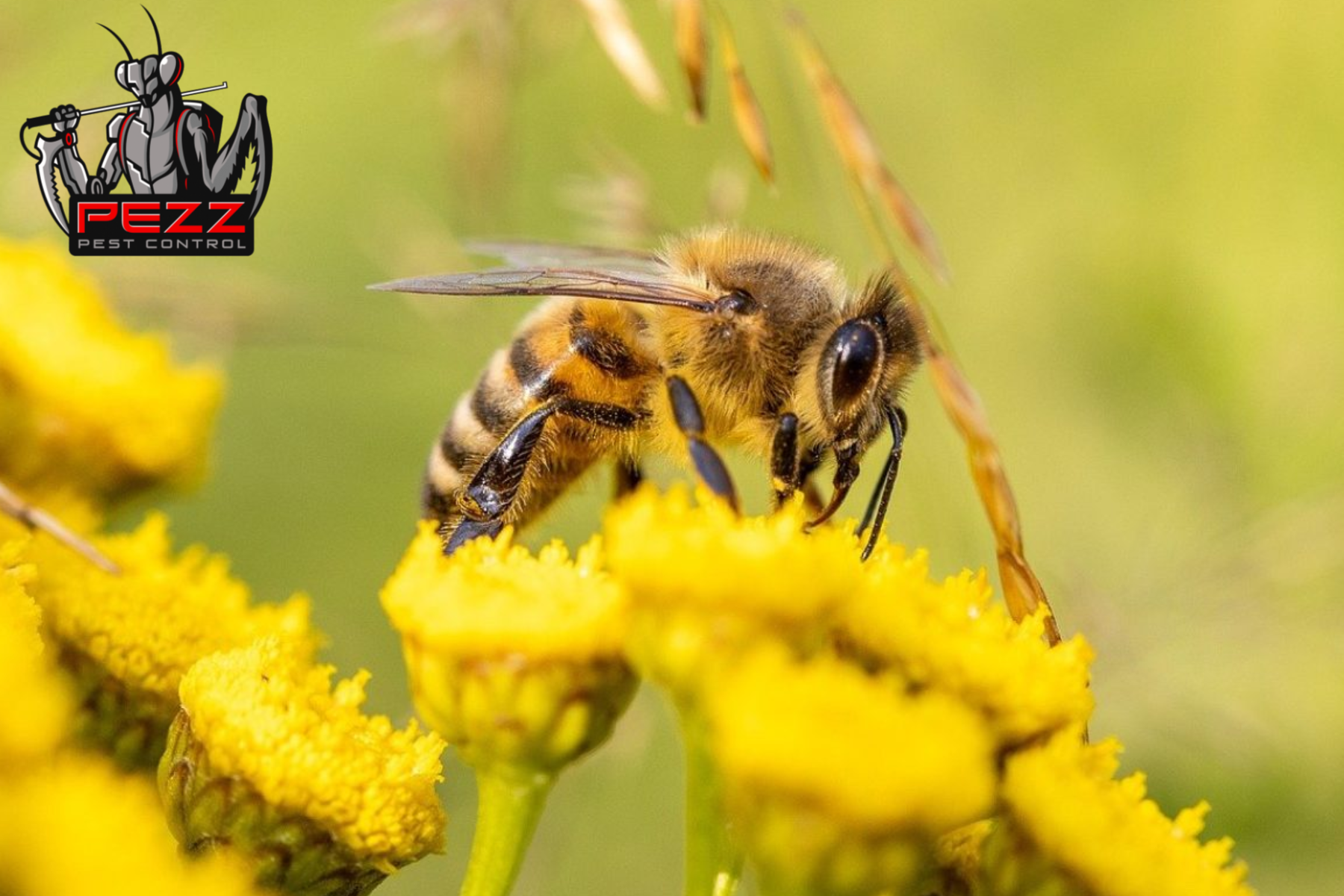
Bees are more than just buzzing insects in your garden; they are crucial to pollination, agriculture, and biodiversity. But one of the most common questions people ask is, how long do bees live? The answer isn’t as straightforward as you might think. The lifespan of a bee depends on its role in the colony, the species, and environmental factors.
Different Types of Bees, Different Lifespans
Bees are classified into three main types within a hive: queen bees, worker bees, and drones. Each has a unique role and, as a result, a different lifespan.
Queen Bees
The queen bee is the heart of the hive, responsible for laying eggs and maintaining order within the colony. When asking how long do queen bees live, the answer might surprise you. A healthy queen can live anywhere from 2 to 5 years. However, beekeepers often replace them after a few years to maintain colony productivity.
Worker Bees
Worker bees are the female bees that handle everything from nursing larvae to foraging for food. During the active spring and summer months, worker bees live about 5 to 6 weeks due to the intensity of their labor. In contrast, worker bees born in the fall can live up to 5 months because they spend the winter in the hive, conserving energy.
Drones
Drones are male bees whose primary role is to mate with a queen. Their life is short and to the point they typically live for about 8 weeks, dying shortly after mating. If they don’t mate, they may be expelled from the hive by worker bees before winter.
Environmental Impact on Bee Lifespan
Several external factors influence how long do bees live, including:
- Climate: Harsh winters or extreme heat can shorten a bee’s life.
- Food availability: A lack of nectar and pollen leads to malnutrition, reducing lifespan.
- Pesticides: While Pezz Pest Control always uses green and safe pesticides, harmful substances in the environment can negatively impact bee health.
- Parasites and disease: Varroa mites, Nosema, and other pathogens are significant threats.
Wild vs. Domesticated Bees
Domesticated honey bees are typically managed for optimal health and longevity. However, wild bees often face more challenges, including habitat loss and fewer food sources, leading to shorter lifespans overall.
Bumblebees, for example, have a different colony lifecycle. Queens live up to one year, establishing a new nest each spring. Worker bumblebees live about 4–6 weeks, while males usually live for just a couple of weeks after mating.
Why Bee Lifespan Matters
Understanding bee lifespans helps us better protect these vital pollinators. Shorter lifespans can indicate environmental stress or disease, while longer, healthier lives mean stronger colonies and better pollination rates.
If you’ve noticed bee activity around your property and are concerned, you might be searching for bee control near me. It’s important to deal with bees humanely and safely, especially since many species are protected.
How to Support Bee Health
Here are a few ways you can help support local bee populations:
- Plant a variety of native flowers.
- Avoid overuse of fertilizers and harsh treatments.
- Provide clean water sources.
- Leave some wild areas undisturbed for ground-nesting bees.
If a hive or nest is too close for comfort, professional services can apply treatment without harming pollinators. Contact a Ballwin pest control expert to evaluate the situation responsibly.
Bee Control and Your Property
Bees can be beneficial, but they’re not always welcome in or around your home. If you suspect a hive is forming in your attic, eaves, or walls, it’s best to contact professionals. Searching for a trusted Ballwin exterminator can help you address the issue safely and quickly.
Professionals like Pezz Pest Control are trained to manage bee situations with respect for the environment. The goal is always to protect your home and the local ecosystem.
About Pezz Pest Control
Pezz Pest Control is your trusted partner in maintaining pest-free homes and businesses across Missouri. We understand the importance of environmentally responsible pest control. Our team offers tailored solutions using green and safe pesticides that are effective and eco-conscious.
We offer comprehensive services, including:
- General pest treatments (ants, roaches, spiders, etc.)
- Termite inspections and Termidor treatments
- Mosquito, flea, and tick control through our Premiere+ program
- Wildlife trapping and exclusion
- Specialty treatments for moles, rodents, and German cockroaches
Located in Missouri, Pezz Pest Control proudly serves local communities with a commitment to excellence, safety, and long-lasting results. Whether you’re dealing with bees, rodents, or other pests, we have the tools and knowledge to help.