

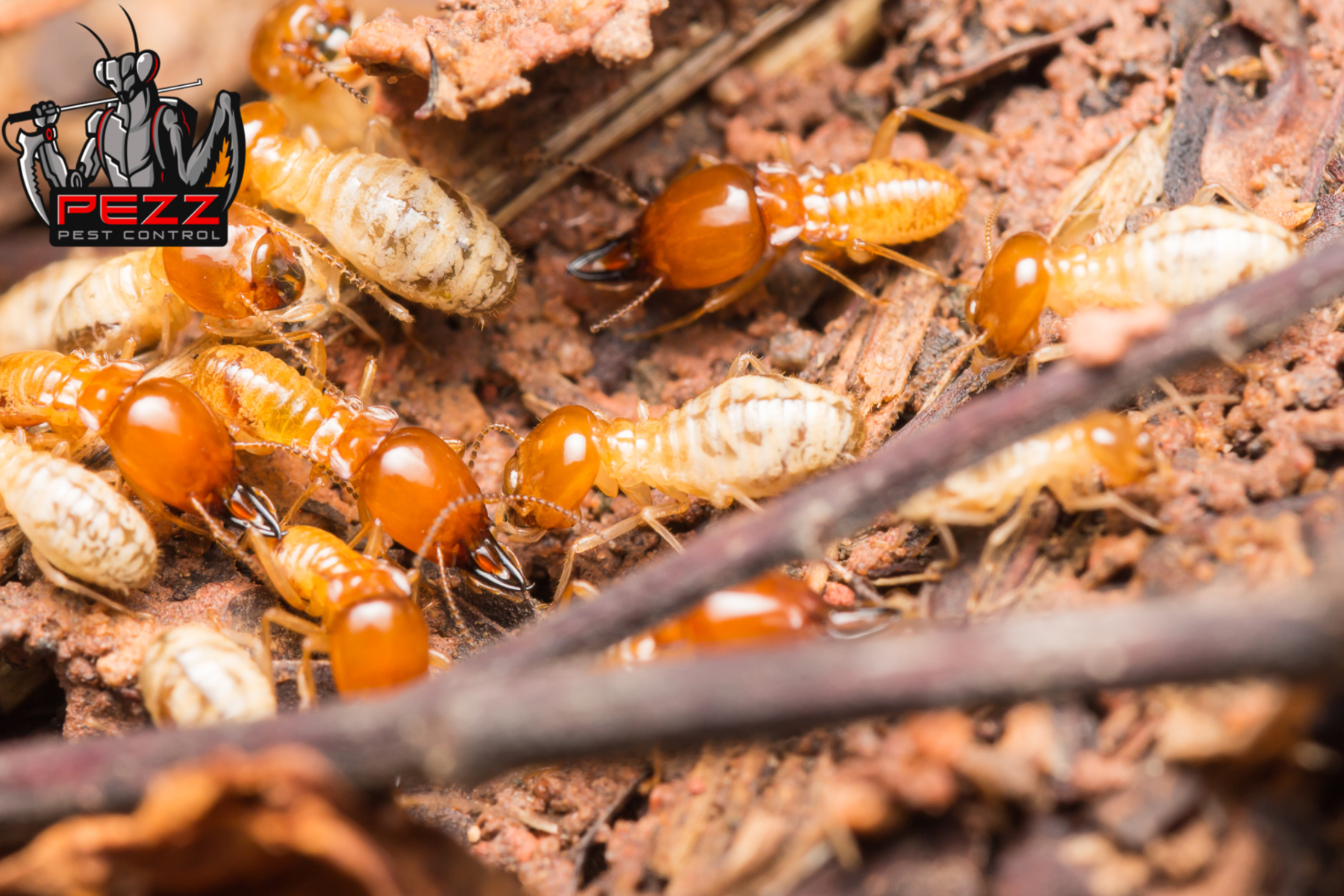
Termites are among the most destructive pests a homeowner can face. Often dubbed the “silent destroyers,” they can cause significant damage to the structural integrity of your home, all while remaining hidden from view. While adult termites are certainly a threat, it’s the baby termites, or termite larvae, that can be particularly problematic. These tiny pests begin the cycle of destruction, quietly working their way through the wood of your home long before you even realize you have an infestation. In this article, we’ll dive deep into how baby termites can wreak havoc on your property and why early detection and effective termite control are essential.
The Lifecycle of Termites: From Egg to Destruction
Understanding the life cycle of termites is crucial to grasping the full extent of the damage they can cause. Like many insects, termites start as eggs laid by the queen, which hatch into tiny larvae, also known as “nymphs.” These larvae undergo a series of molts as they grow and develop into adult termites.
1. Eggs and Hatching
The queen termite lays eggs in a warm, moist environment, usually deep within the wooden structures of your home. Once the eggs hatch, tiny larvae emerge. These larvae, often microscopic, are initially quite vulnerable but begin feeding on the cellulose found in wood almost immediately. In the early stages of their life, they are most often seen as termite larvae working their way into wood beams and supports.
2. Development of Baby Termites (Nymphs)
After hatching, the larvae enter the “nymph” stage. During this phase, the baby termites begin to grow and molt, eventually becoming workers, soldiers, or reproductive termites (queen or king). While workers and soldiers focus on feeding and defending the colony, reproductive termites are responsible for expanding the colony by laying eggs.
The larvae are especially dangerous because they are the ones initiating the destructive behavior. They typically target the interior of wooden structures, chewing through the wood to access the cellulose they need for survival. This early damage can often go unnoticed for months or even years, with the termites silently eating away at your home’s foundation.
3. Mature Termites and Colony Growth
As the larvae mature into workers, they significantly expand the damage. Worker termites are responsible for feeding the colony and continuing the destruction. When a termite colony is well-established, it can number in the millions, and the level of damage can escalate rapidly. A single colony can consume several pounds of wood per day, weakening the structural integrity of your home and leading to costly repairs.
How Baby Termites Can Cause Major Damage
The most alarming aspect of baby termites is that their feeding habits go undetected for long periods. Unlike other pests, which may leave obvious signs of their presence, termites tend to operate quietly, feeding inside the wood where they are hard to spot. By the time the damage is visible, it may be too late to avoid costly repairs. Here are some key ways in which baby termites contribute to the destruction of your property:
1. Feeding on Structural Wood
The primary diet of termites is wood. They can feed on the wood inside your walls, floors, and ceilings, and because they don’t need to surface to feed, the damage is typically not noticed until it becomes severe. The larvae begin the process by feeding on the soft cellulose inside the wood, leaving the exterior intact. Over time, this causes the wood to weaken and deteriorate, eventually leading to structural collapse in extreme cases.
2. Infiltrating Unseen Areas
One of the most difficult aspects of termite infestations is that they can work unseen for years. Termites create networks of mud tubes and tunnels that lead them to the food source. These tunnels are typically hidden within walls, beneath floors, or in the attic. As a result, damage may occur without any noticeable external signs. It’s only when the wood becomes so weakened that it begins to crack or sag that homeowners notice the effects of the infestation.
3. Economic Impact
The damage caused by baby termites can be financially devastating. Termites are responsible for billions of dollars in damage to properties annually. What makes them particularly dangerous is their ability to cause significant destruction long before anyone realizes there’s a problem. By the time the damage becomes visible, repairs may be costly and extensive, especially if the infestation has been ongoing for a long period.
Signs of a Termite Infestation
Being able to spot the signs of termite activity early is key to preventing a full-blown infestation. Here are some of the warning signs that baby termites may have already infiltrated your property:
1. Mud Tubes on Walls or Foundation
Termites build mud tubes to travel between their colony and food sources. These tubes are typically found along the foundation, walls, or inside the wood of your home. If you see these tubes, it’s a clear sign of an active infestation.
2. Hollow-Sounding Wood
If you tap on a piece of wood and it sounds hollow, that’s a sign that termites may be feeding inside it. The larvae and workers consume the interior of the wood, leaving the outer layer intact. This can create a hollow sound when the wood is tapped.
3. Discarded Wings
When termites swarm to start new colonies, they shed their wings. If you find piles of wings near windowsills or doors, this could be an indication that termite swarming has occurred on your property.
4. Visible Damage
In advanced cases, you may notice visible damage to the wood in your home. This can include sagging floors, cracked walls, or doors and windows that become difficult to open or close. This is a clear sign that the termites have been feeding on the structural wood for an extended period.
Preventing Termite Damage
The best way to prevent termite damage is to take proactive measures to protect your home. Here are some essential tips for termite prevention:
1. Termite Inspections
Regular termite inspections from a professional pest control service are crucial. These inspections can help identify termite larvae and early signs of infestation before they become a major issue.
2. Moisture Control
Termites thrive in damp environments. Ensure your home’s foundation is well-drained and free from leaks. Fix any plumbing issues and use dehumidifiers in basements or crawl spaces to reduce moisture levels.
3. Seal Cracks and Gaps
Seal any cracks in your foundation, windows, or doors to prevent termites from entering. You can also use mesh or screens on vents and chimneys to keep pests out.
4. Use Green and Safe Termite Treatments
Eco-friendly termite treatments can be used to protect your home without harming the environment. Professional pest control Ballwin services can apply these treatments around your property to form a protective barrier against termites.

Why Choose Pezz Pest Control?
If you suspect your home may have a termite infestation, it’s crucial to address the issue immediately before baby termites can cause significant damage. Pezz Pest Control offers expert termite control near me services to protect your property from the destructive power of termites. Our team of trained Ballwin exterminators uses eco-friendly methods to ensure your home is safe from termites, including the effective control of termite larvae and other stages of the infestation.
Whether you’re dealing with baby termites or a fully established colony, we are here to provide tailored, professional solutions. With our expert knowledge and green pest control methods, we can safeguard your home and keep it pest-free.
About Pezz Pest Control
At Pezz Pest Control, we specialize in providing top-notch pest control services, including termite inspections and treatments. Our team is committed to keeping your home safe from pests with eco-friendly, green treatments. We serve Ballwin and the surrounding areas, offering comprehensive pest management strategies for homeowners.
